

Today, I’m excited to share insights from my conversation with the wonderful Ms. Nancy Klein, the Youth Services Manager at the Burke Centre Library right here in Virginia! Our conversation delved deep into the inspiring sustainability initiatives that have become the heart of our community.
Listen to the entire conversation here: SustainXplorers Ep. 2
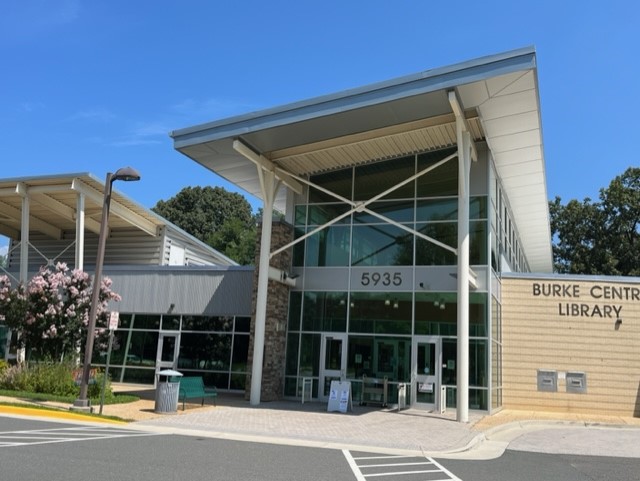
Nancy introduced herself as the manager responsible for planning programs that cater to the youth, spanning from infants to teenagers. As we embarked on our conversation, I was captivated by the passion and dedication she exuded for fostering environmental awareness within the library’s programs.
One of the initial sustainable initiatives we explored was Nancy’s involvement with monarch butterflies. Her journey began when she volunteered at a nature center and learned about Monarch Watch, an organization that promotes butterfly conservation. Nancy and her team purchased milkweed plants, the primary food source for monarch caterpillars, and guided visitors through the captivating transformation of these creatures. This initiative not only educated the community but also played a pivotal role in supporting pollinators and their habitats.
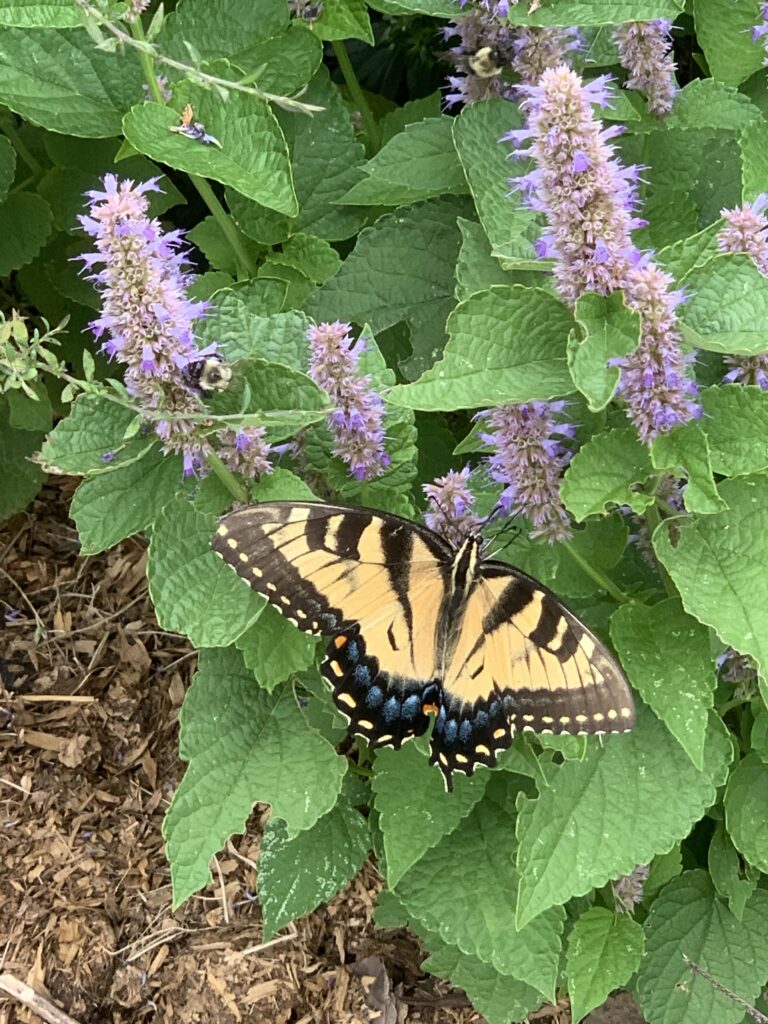
However, Nancy’s commitment to sustainability didn’t stop at monarchs. She spearheaded a program that involved creating pollinator-friendly gardens, ensuring that native plants thrived and attracted bees and other essential insects. This endeavor was made possible by the library’s partnership with a local Garden Club and community volunteers. The library garden transformed into a haven for pollinators and served as a living testament to the importance of preserving natural habitats.
The conversation took an artistic turn as we discussed the “Washed Ashore” project, which raises awareness about plastic pollution by turning ocean debris into stunning art pieces. Nancy’s passion for this project was palpable, and she discussed how art can be a powerful medium to convey critical messages. The initiative emphasized the dire need to reduce our dependence on plastic materials and rethink our consumption habits. This project’s impact extended beyond the library, inspiring both children and adults to become more conscious of their environmental footprint.
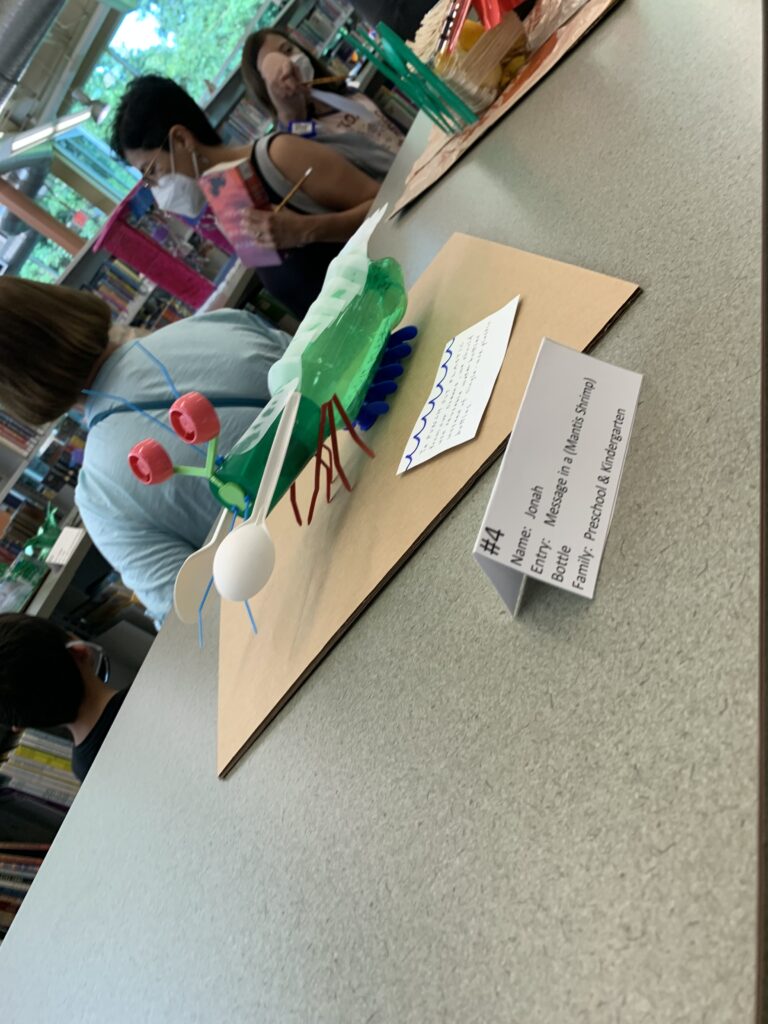
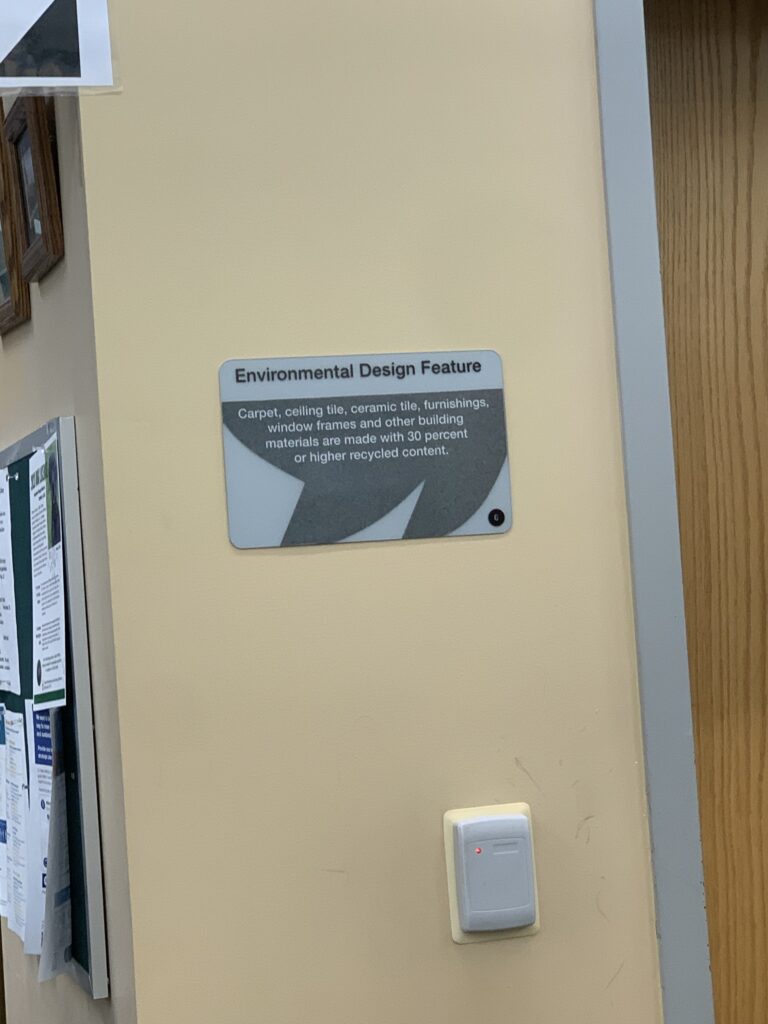
Nancy also highlighted the library’s commitment to sustainable architecture. The building itself incorporated numerous eco-friendly features, including water-saving mechanisms and the use of recycled materials. These elements served as a constant reminder of the library’s dedication to sustainability, setting an example for the community.
As our conversation progressed, Nancy shared her plans for the future. From nature journaling programs to seed harvesting workshops, the library is set to engage the community in further sustainable endeavors. The introduction of the iNaturalist project added a citizen science dimension, encouraging individuals to contribute to ecological research by sharing their observations of local flora and fauna.
Reflecting on the conversation, I was struck by Nancy’s dedication and the library’s efforts to create a sustainable haven within our community. The initiatives discussed were not just projects but embodiments of a shared commitment to preserving the environment for future generations. As I wrapped up our conversation, I left the library with a renewed sense of purpose, inspired by the positive change one person and one institution can make.
In conclusion, my conversation with Nancy Klein illuminated the transformative power of sustainability initiatives within the heart of our community. The library’s commitment to educating, inspiring, and involving individuals of all ages underscores the importance of small steps toward a greener future. As we bid farewell to this enlightening encounter, let us carry forward the lessons learned and strive to create a more sustainable world, one initiative at a time.